What Is Lead Scraping? Complete Beginner’s Guide to Lead Scraping
By Ahmad Software
•
January 6, 2026
What is Lead Scraping? Everything You Need to Know to Get Started
In the modern B2B landscape, data is the fuel that powers the sales engine. If you have ever spent hours manually copying and pasting contact details from a website into an Excel sheet, you have performed a primitive form of lead scraping. However, in 2025, manual entry is no longer sustainable.To stay competitive, businesses are turning to automated lead scraping—a process that transforms the vast, disorganized web into a structured, high-conversion prospect list.
But what exactly is it, and how can you start using it without feeling overwhelmed? This guide will walk you through the fundamentals, the ethics, and the specialized tools you need to build a powerhouse sales pipeline.
What Exactly is Lead Scraping?
At its core, lead scraping (or web scraping for leads) is the automated extraction of data from websites, directories, and social platforms. Instead of a human reading a page and typing out a name, a specialized software—known as a "scraper" or "extractor"—reads the underlying code of the website and pulls specific pieces of information.Typical data points include:
- Business Names
Email Addresses
Phone Numbers
Physical Addresses
Social Media Profiles (LinkedIn, Twitter, etc.)
Website URLs
Why Lead Scraping is a Game-Changer for B2B Businesses?
- Many marketers ask: "Why not just buy a pre-made lead list?" The answer lies in quality and freshness. Pre-made lists are often outdated the moment they are sold. Lead scraping allows you to pull real-time data directly from the source.
Laser-Focused Targeting: You can scrape specific directories related to your niche (e.g., scraping "Plumbers in Chicago" rather than buying a generic "Home Services" list).
Cost-Efficiency: While premium tools have a cost, the "per lead" price is significantly lower than paying for third-party databases.
Scalability: A high-quality scraper can do in ten minutes what a human intern would take a week to complete.
High-Performance Tools to Get You Started
To start scraping effectively, you need tools that are reliable and "stealthy" (to avoid being blocked by websites). Two of the most effective tools in the market for business directory scraping are the Google Maps Extractor and the United Lead Scraper.1. Google Maps Extractor: The Local Lead Goldmine
If your business targets local service providers, retailers, or offices, Google Maps is the world’s most comprehensive directory. The Google Maps Extractor is designed to pull deep data from "Google My Business" listings.- How it works: You enter a keyword (e.g., "Dental Clinics") and a location (e.g., "New York"). The tool crawls the map results and extracts the clinic name, email address, ratings, reviews, website, and phone number.
The Pro Advantage: Many advanced Google Maps extractors can also find hidden social media links or verify if the business has a "Claimed" listing, which is a great talking point for digital marketing agencies.
2. United Lead Scraper: The Universal Directory Master
While Google Maps is great for local businesses, some B2B niches require data from specialized directories like Yellow Pages, Yelp, or industry-specific portals. This is where the United Lead Scraper shines.Data Accuracy: It often includes built-in filters to ensure you aren't extracting duplicate entries, saving you hours of "data cleaning" later.
The Workflow: How to Scrape Safely
To ensure your scraping efforts are successful and SEO-friendly, follow this 4-step workflow:Step 1: Identify Your Source
Decide where your prospects hang out. If you need local retailers, use the Google Maps Extractor. If you need a broader list of B2B companies from various directories, the United Lead Scraper is your best bet.
Step 2: Configure Your Keywords
The "Garbage In, Garbage Out" rule applies here. Be specific. Instead of scraping "Restaurants," try "Italian Fine Dining" to ensure your outreach is relevant.
Step 3: Clean and Verify the Data
Scraped data is never 100% perfect. Use an email verification tool to remove "dead" emails. Sending messages to invalid addresses will hurt your domain reputation and land your emails in the spam folder.
Step 4: Import to CSV, Excel, or Text Files
You can export your extracted data in different for many formats for future use, such as CSV, Excel, and Text files.
Ethics and Legalities: Stay Compliant
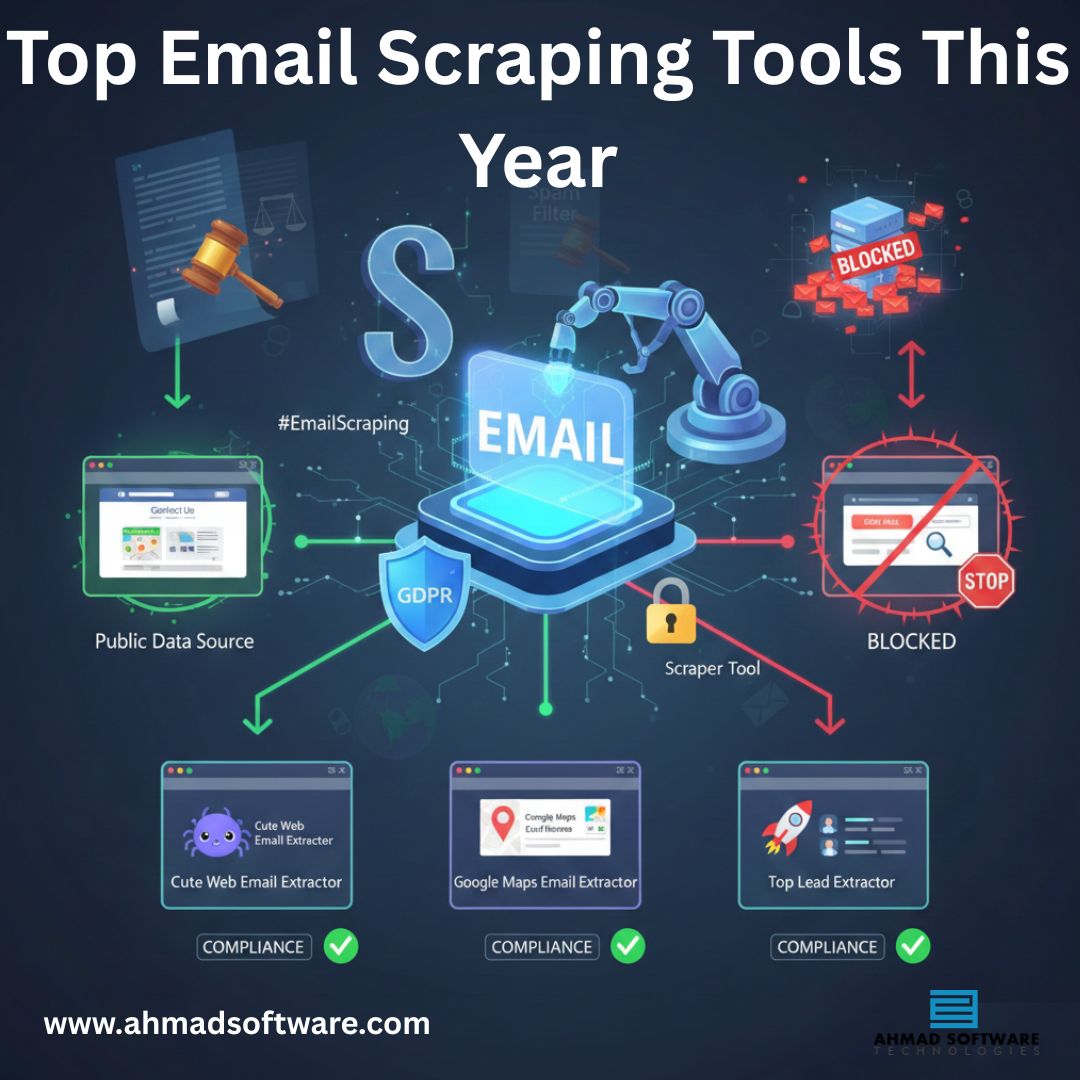
Lead scraping is a powerful tool, but it must be used responsibly. In 2025, data privacy laws like GDPR (Europe) and CCPA (California) are strictly enforced.Public Data Only: Scrapers should only extract data that is publicly available. Accessing private databases or bypassing passwords is illegal.
Respect Robots.txt: This is a file on websites that tells scrapers which parts of the site they are allowed to visit. High-quality tools like the United Lead Scraper are designed to respect these rules.
Avoid Spam: Once you have the leads, do not blast them with generic emails. Use the data to craft personalized, helpful messages that provide actual value to the prospect.
Conclusion: The Path Forward
Lead scraping is no longer a "secret" used only by tech geniuses; it is a fundamental requirement for any business looking to grow its sales pipeline in the digital age. By leveraging specialized tools like the Google Map Extractor for local insights and the United Lead Scraper for broad directory extraction, you can eliminate the drudgery of manual research and focus on what really matters: building relationships and closing deals.The web is a goldmine of opportunity—you just need the right shovel to start digging.
How to use the software